Energy Labels in Estonia: What Property Buyers Should Know
- John Philips

- 4 days ago
- 2 min read
Energy efficiency has moved from a technical footnote to a genuinely important factor in Estonian property transactions.
Buyers are paying more attention to energy labels than at any point in the past decade — and for good reason. Understanding what an energy label means, how it affects your costs, and what it signals about the building you are buying is now a standard part of doing your homework before a purchase in Estonia.
What Is an Energy Label?
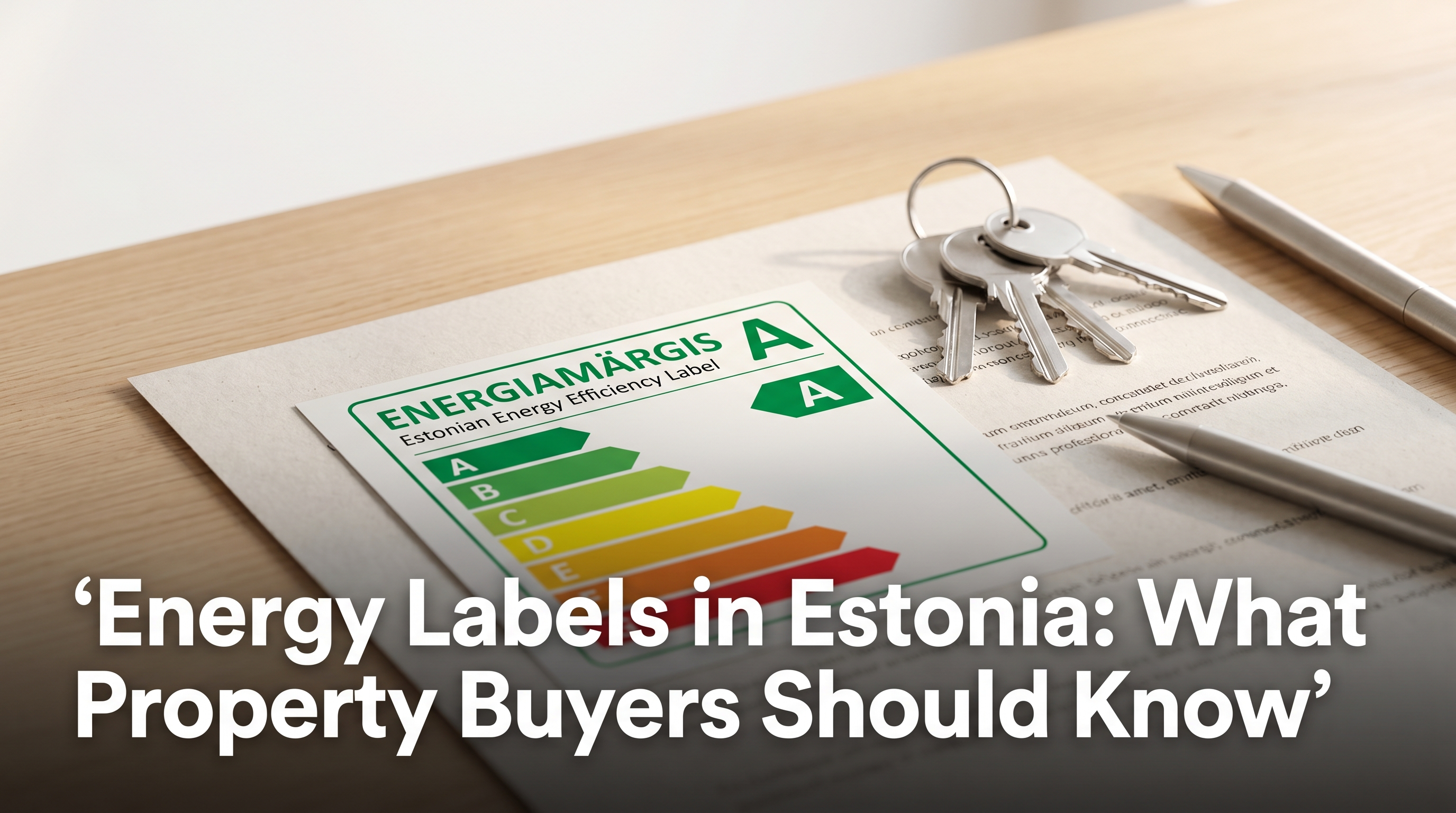
In Estonia, all properties sold or rented must have a valid energy performance certificate (energiamärgis). The certificate rates the building's energy efficiency on a scale from A to H, with A being the most efficient. The label applies to the whole building, not just your individual apartment — a renovated apartment inside an unrenovated Soviet-era block will still carry the building's overall rating.
What the Ratings Mean in Practice
• A and B rated: modern new-build or fully renovated buildings. Utility costs are low and predictable
• C and D rated: reasonably efficient buildings, often renovated Soviet-era blocks. Moderate utility costs
• E and F rated: older buildings with limited renovation. Heating costs can be significant in winter
• G and H rated: unrenovated older buildings with poor insulation. Utility costs can be very high in winter
Why It Matters for Buyers
Running costs: a lower energy rating means higher utility costs, which affects both your personal cost of living and your ability to attract quality tenants who compare total housing costs.
Future renovation costs: the EU's Energy Performance of Buildings Directive is pushing all member states toward higher efficiency standards over time. Estonia will face increasing pressure to bring lower-rated buildings up to standard, which will eventually translate into mandatory renovation requirements — and costs — for owners of older buildings.
Mortgage eligibility: some Estonian and European banks are beginning to factor energy ratings into lending decisions, offering better terms for higher-rated properties. This trend is expected to strengthen.
What to Do With This Information
• Always request the energy performance certificate before making an offer
• For lower-rated buildings, find out whether renovation is planned by the apartment association — and what your share of the cost would be
• Factor utility cost differences into your financial modelling, particularly for investment properties
• For renovation projects, investigate what energy upgrades would be required and what grants or subsidies may be available
Buying a lower-rated property is not automatically a bad decision — price should reflect the rating. But going in without understanding the implications is how buyers end up with unexpectedly high running costs and a harder-to-sell asset down the line.
Getting the Right Guidance
Browse our property listings for current options across Estonia, and our renovation and design team can advise on what energy upgrades would add value to a specific property.
If you are selling a property and want to understand how your energy rating is affecting buyer interest and pricing, visit our sell your property page or get in touch with the Bryan Estates team directly.


Comments